MAIDAO GLASS · CHINESE GLASS MANUFACTURER

Glass food bottles & jars

The right jar gives your food room to shine. From a small jam pack to a larger honey jar, the shape, opening and lid work together with your filling process and the way your customer uses the product.

Explore food formats ↓
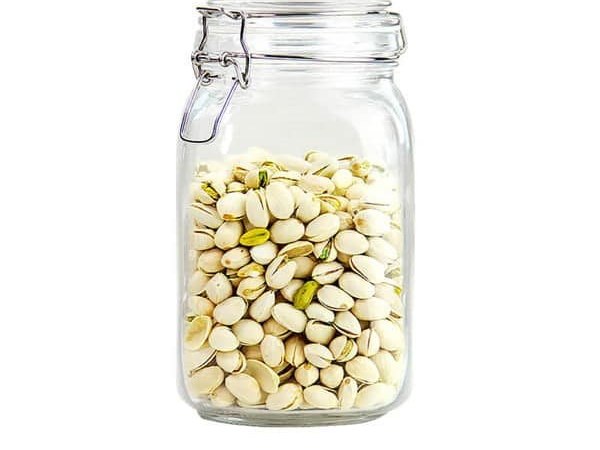
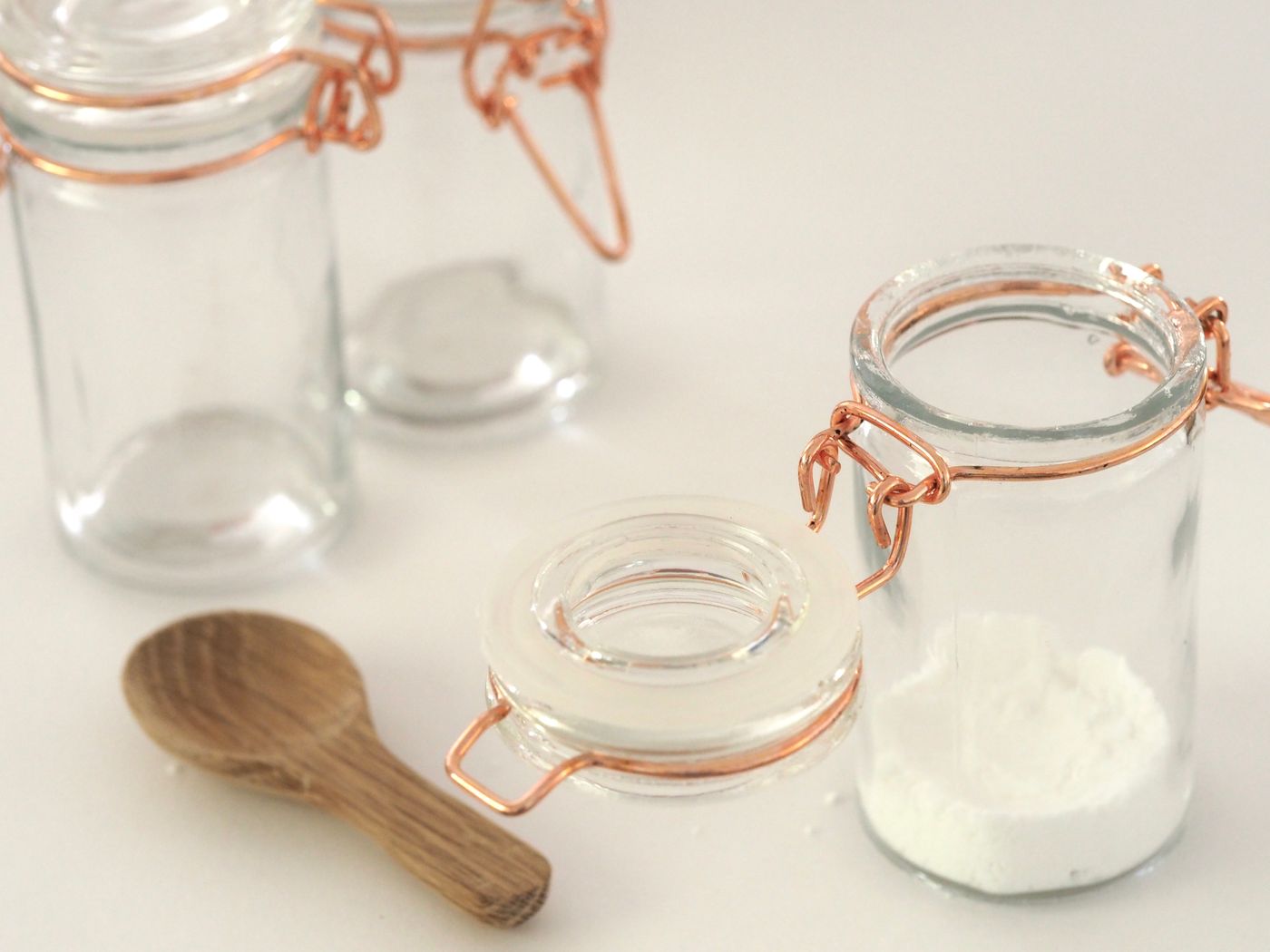
Clear storage jars with copper-coloured clip closures, used as a food packaging illustration
Application illustration · Product photographs accompany the individual designs.
9Product families
99Catalogue designs
45–8000 mlListed capacity range · 1.5–270.5 US fl oz

FIND YOUR PRODUCT FAMILY

Honey, jam, mason, coffee, candy, storage and spice jars, plus sauce and olive-oil bottles.

Each format raises its own questions about filling, closure and presentation. Your selected family leads to detailed options, fittings and ordering considerations.

Glass Coffee Jars

1 catalogue design

Glass Coffee Jars

Your coffee pack has to work before and after the first opening. Your glass jar can show the beans, carry a refill range or become a kitchen canister; each use asks something different of the closure. Our square coffee-jar reference gives you a concrete shape to compare.

Explore glass coffee jars →
Glass Candy Jars

4 catalogue designs

Glass Candy Jars

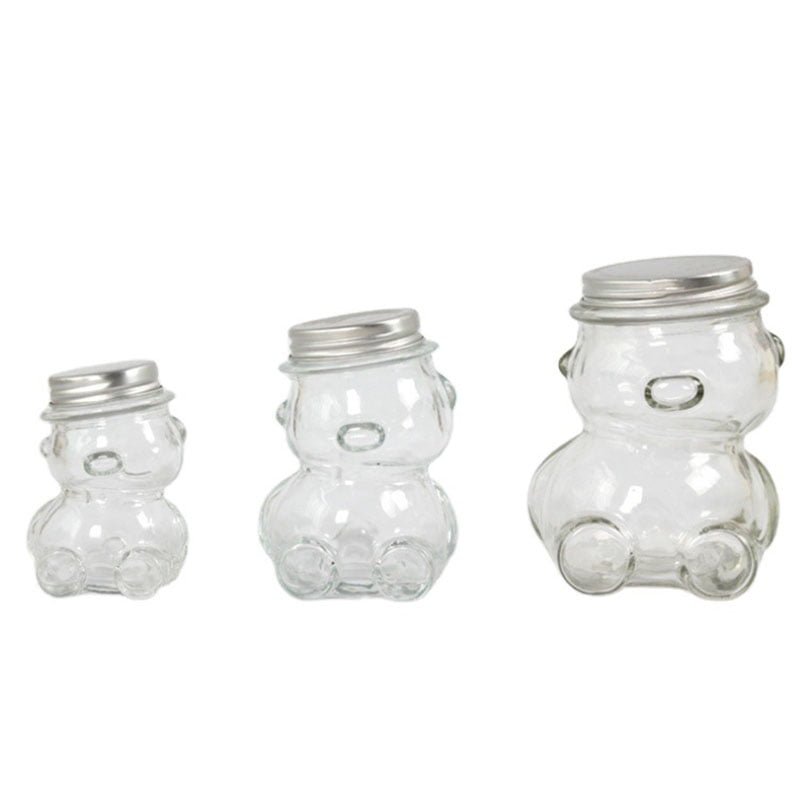
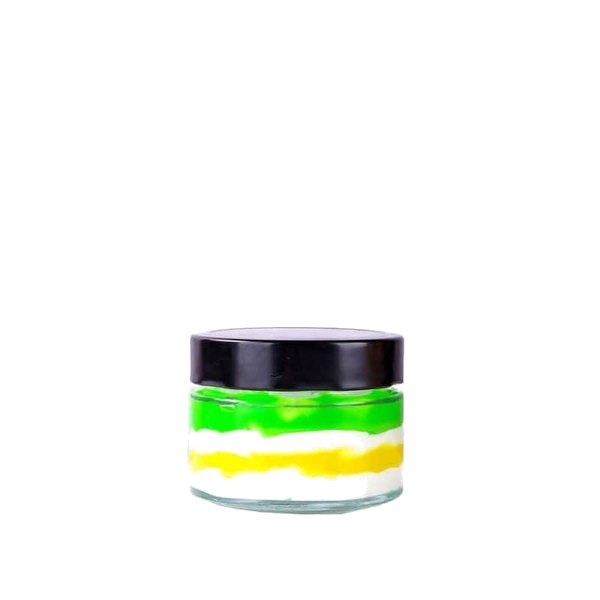
Your sweets can sell through colour, shape and visibility. Small favour jars, retail packs and counter displays use glass in different ways. The closure, opening and packing deserve attention alongside the playful shape, especially when a decorated jar becomes part of the gift.

Explore glass candy jars →
Glass Honey Jars

7 catalogue designs

Glass Honey Jars

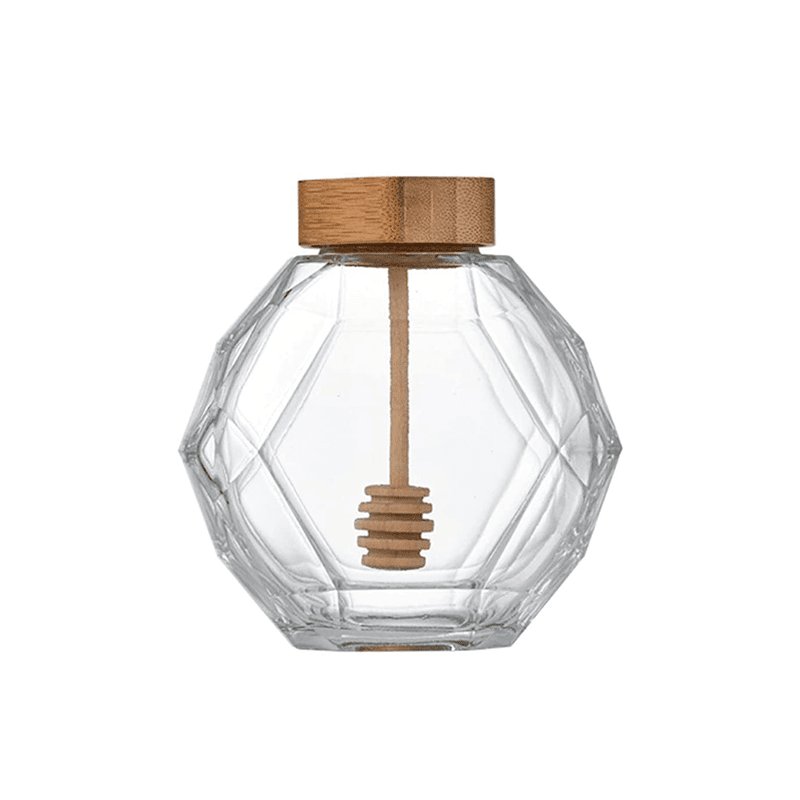
Your honey has a colour and texture worth showing. Hexagonal, round and square glass jars give it different shelf identities; the opening and lid shape how customers use the last spoonful. MAIDAO GLASS manufactures honey jars in China, with existing designs and decoration options for your label.

Explore glass honey jars →
Glass Jam Jars

21 catalogue designs

Glass Jam Jars

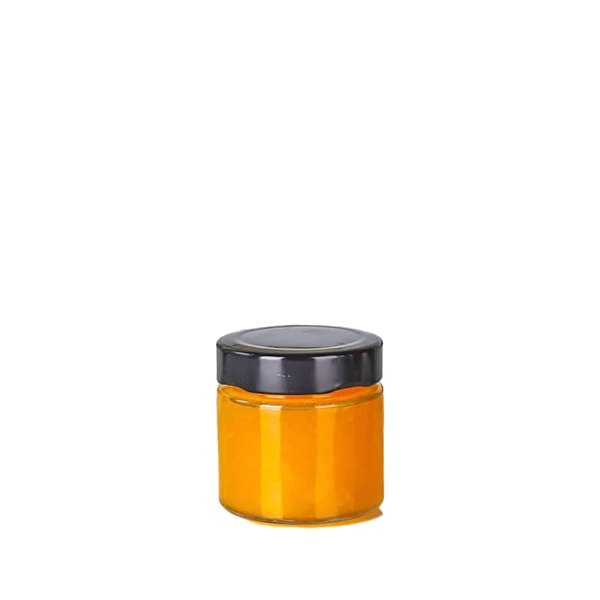
Your preserves deserve a jar that shows their colour and makes serving straightforward. Clear round, square and shaped jars offer different label areas and shelf profiles. The best-looking sample still needs the right closure and filling specification before it becomes your production pack.

Explore glass jam jars →
Glass Spice Jars

16 catalogue designs

Glass Spice Jars

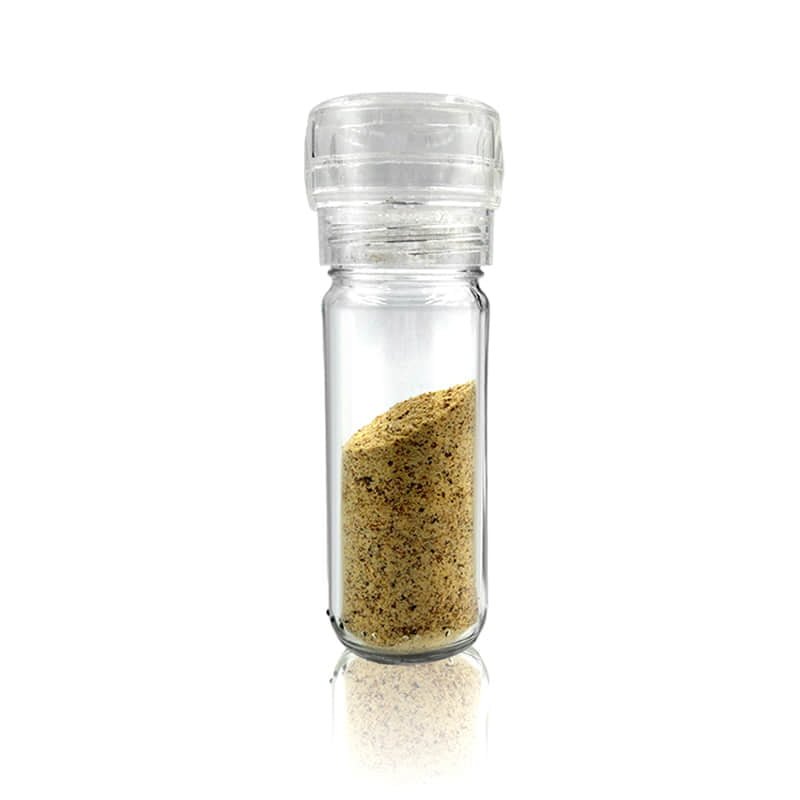
Your glass spice jars need an opening suited to the blend. A fine powder, coarse herb and peppercorn call for different dispensing options. MAIDAO GLASS offers existing bodies to compare with your selected shaker, grinder or storage lid.

Explore glass spice jars →
Glass Storage Jars

12 catalogue designs

Glass Storage Jars

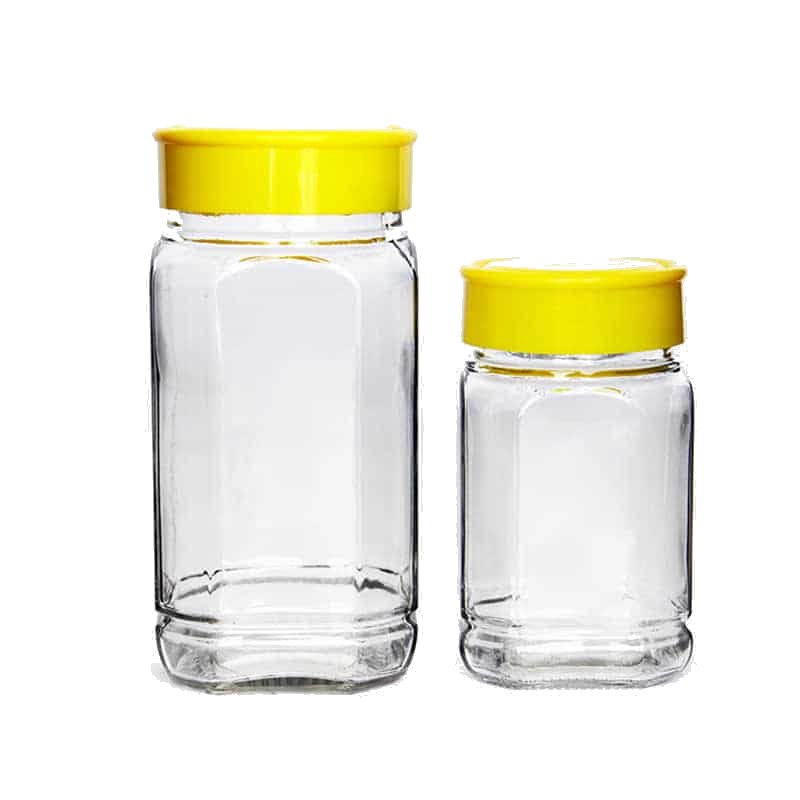
Your storage jar becomes part of a kitchen routine. The lid should be easy to handle, the opening useful and the body practical to pack and display. Existing clip-top and other storage formats let you compare those details before choosing a matching range.

Explore glass storage jars →
Hot Sauce Bottles

6 catalogue designs

Hot Sauce Bottles

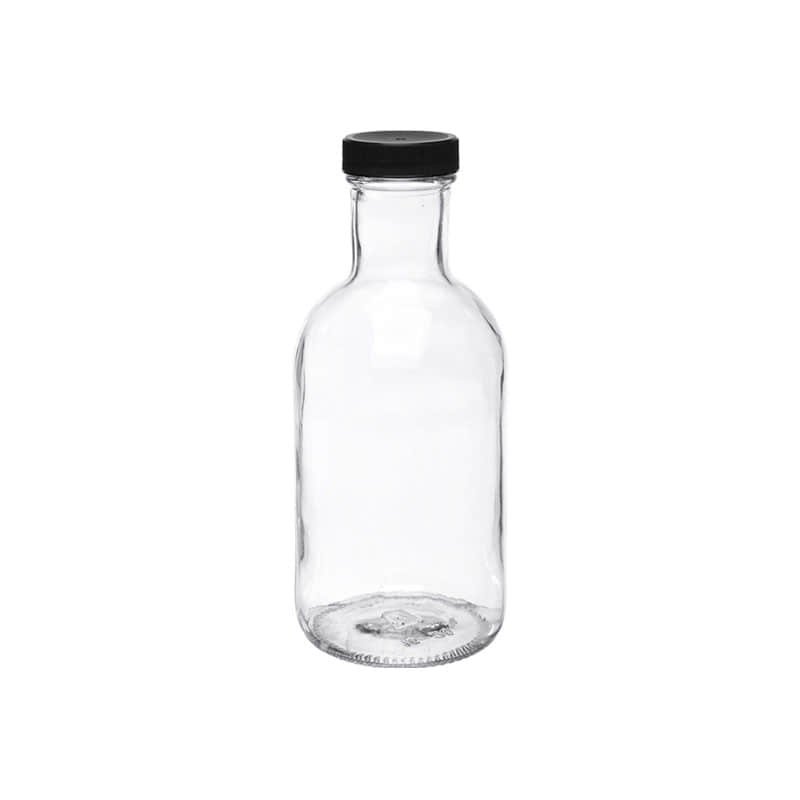
Your sauce recipe changes the opening and reducer that work well in use. Thin sauces and recipes with visible pieces can need different dispensing arrangements. You can compare the bottle, cap and reducer as one package before approving the label.

Explore hot sauce bottles →
Mason Jars

10 catalogue designs

Mason Jars

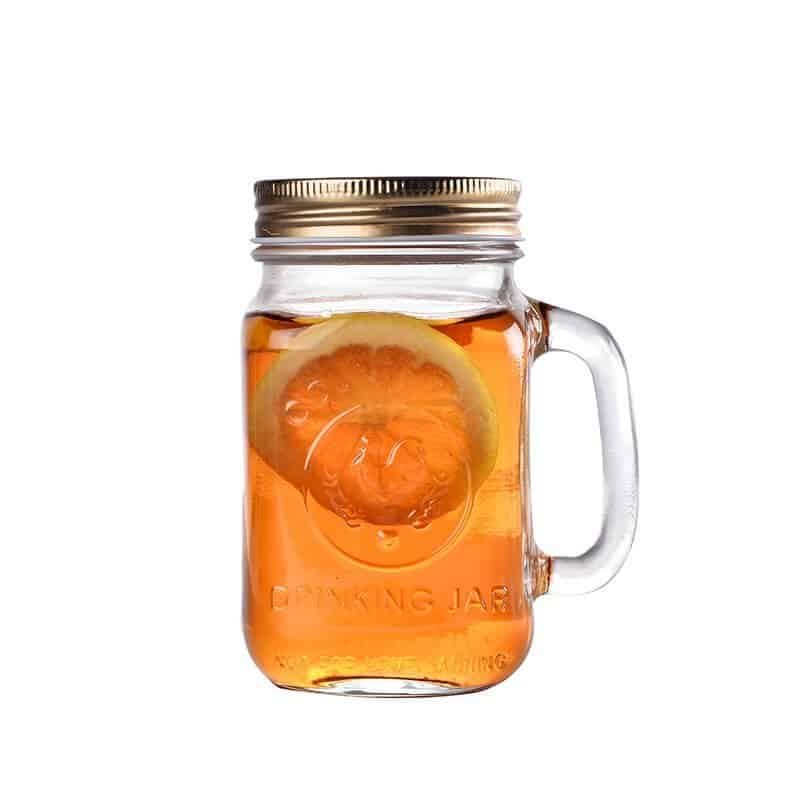
Your mason jar can become a preserve pack, drinking jar or gift container. Each use changes the opening, lid and packing you want to compare. You can start with an existing shape, trial the complete assembly and price decoration without commissioning a new glass body.

Explore mason jars →
Olive Oil Bottles

22 catalogue designs

Olive Oil Bottles

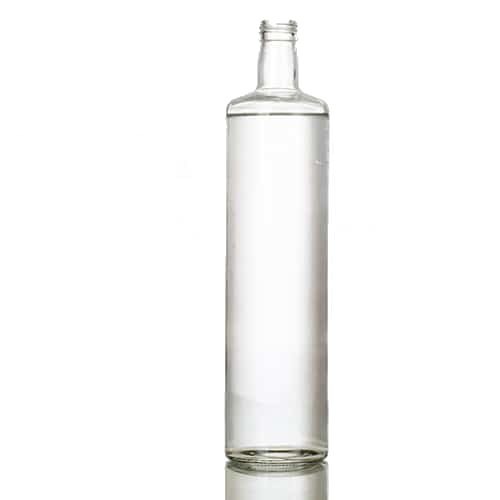
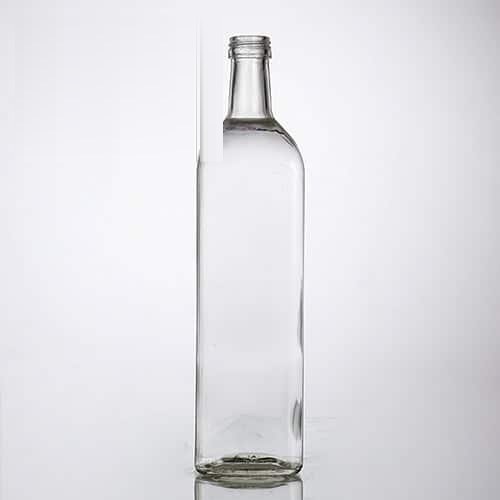
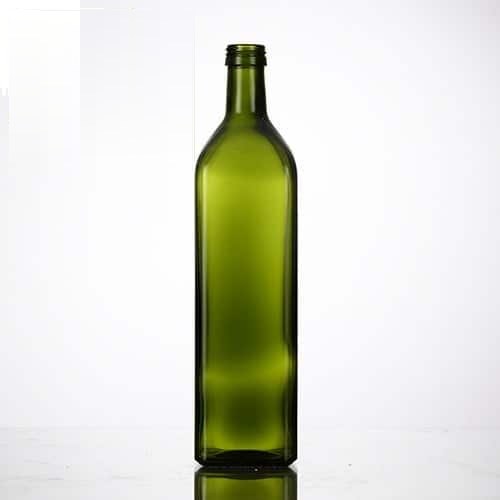
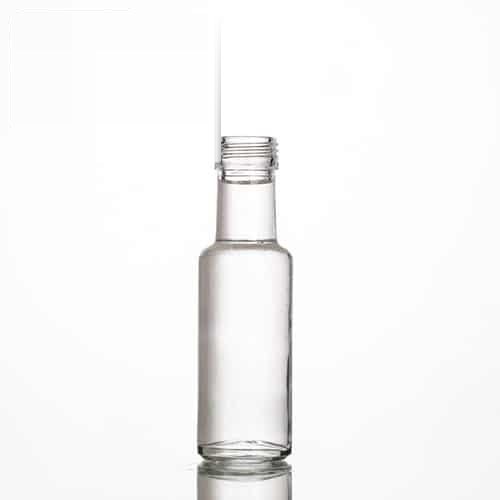
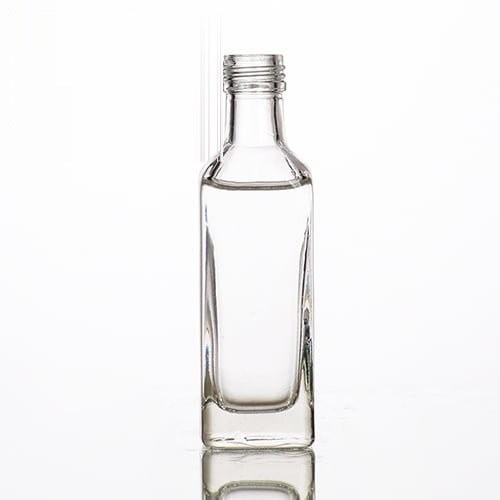
Your oil bottle needs to look right on the shelf and pour cleanly at the table. Square Marasca-style and round Dorica-style profiles offer different label areas and packing footprints. Glass colour, neck finish and pourer choice belong in the same packaging decision.

Explore olive oil bottles →

EXISTING BOTTLE & JAR DESIGNS

Food bottles and jars by capacity and closure

Capacity and fitting references help narrow your shortlist. The individual specification identifies the information available for each design.

99 designs match · 12 shown

APPLICATION & SELECTION

The jar has to suit your filling process as well as your shelf.

Your intended fill weight, working fill level, product texture and preservation method narrow the range. A nominal capacity by itself cannot establish how a pack performs on your line.

Your packaging briefFormats to compareThe detail that needs attention
Preserves & honeyHoney, jam and mason jarsOpening, fill point and closure system
Sauces & oilsHot-sauce and olive-oil bottlesPouring control, insert and cap
Dry ingredientsCoffee, candy and spice jarsAccess, dispensing and lid lining
Storage & giftingStorage jars and larger formatsHandling, presentation and secondary packing

A good-looking jar still needs the right lid.

Your filling process

Your fill temperature and preservation method belong in the packaging brief. A jar’s appearance cannot establish its suitability for a particular filling or heat-treatment process.

The food and the opening

A wide opening, pourable sauce and spooned preserve ask different things of a package. The selected opening and lid should suit both production and everyday use.

Pack size and label space

The declared jar capacity is a volume. A honey fill weight is a separate requirement, so your product density and intended fill level matter when selecting a jar.

CLOSURES & FITTINGS

The part your customer opens, pours or presses.

The fitting is part of your packaging specification. Neck dimensions, contact parts and the intended filling process belong in the same review.

Twist-off & screw lids

The finish drawing identifies the closure system. Your selected liner and filled-product process belong in the fit review.

Pourers & dispensing inserts

Sauces and oils may need controlled pouring. The insert and cap must suit the actual neck.

Clip & clamp systems

Glass, wire hardware and gasket form one assembly. Your intended use guides the sample checks.

Wood & bamboo lids

Appearance and sealing construction are separate choices. The lid and liner specification defines the supplied combination.

Bottle finish and closure compatibility →

BRAND FINISHES

Give an existing design your own identity.

Your colour, printed artwork or label can make a familiar shape recognisable as your product. Frosting, spray colour, screen printing, decals and hot stamping form part of the Shandong decoration route.

A physical decorated sample gives your team a reference for colour, placement and appearance on the selected glass.

Compare glass decoration methods →

CUSTOM MOULD DEVELOPMENT

A new shape has its own development decision.

Your silhouette, closure and capacity establish the brief before production tooling. Custom-mould reference minimums are 12,000 extra-flint pieces or 50,000 standard-flint pieces, subject to the chosen design and quotation.

Mould stages, cost references and approvals →

MOQ, SAMPLES & EXPORT

Plan the order around the selected package.

Minimum order

Existing designs have production minimums. Your glass grade, design and finish define the order terms; custom development has a separate tooling and MOQ route.

Production timing

The schedule includes the selected glass, decoration and approvals. An existing mould and a new shape have different development requirements.

Samples

A physical sample makes the container and closure tangible. Decoration and custom-shape approval may need separate sample stages.

Export packing

Cartons, dividers and pallets change loading and handling. Your destination and packing requirements belong in the quotation.

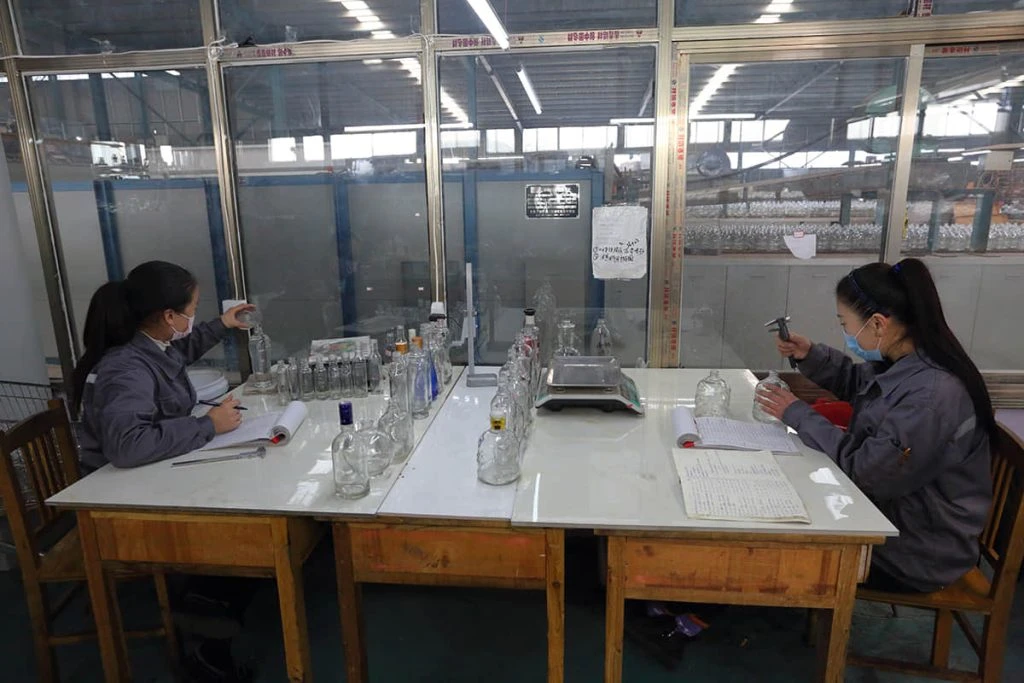
MAIDAO INDUSTRY glass container laboratory

MANUFACTURING & QUALITY IN CHINA

Your glass has a production and inspection route.

MAIDAO INDUSTRY’s 14 production lines span 2 production areas: our own Xuzhou plant and owned, invested and long-term contracted capacity in Shandong.

Bottle mouths and sealing surfaces receive 100% checks. Your product-use trials and requested documents apply to the actual glass, fittings and decoration you select.

Inspection methods and document scope →

SAMPLES & APPROVAL

A sample makes your next decision tangible.

Your jar sample is most useful with the intended lid. It allows your team to assess filling, closing, labelling and handling with the actual combination.

The container, fitted closure and finish each contribute to the result. Your intended filling and use conditions establish what the sample evaluation needs to cover.

What to approve at each sample stage →

BEFORE YOU COMMIT TO TOOLING

Existing design or custom mould?

A real bottle sample can show whether an existing shape already works for your brief. A custom mould becomes relevant when the silhouette or a required specification needs to change.

Compare the two development routes →

Your food packaging questions

Do you manufacture glass food packaging in China?

Yes. MAIDAO GLASS is a Chinese glass bottle and jar manufacturer, with production across Shandong and Xuzhou.

Can I buy a jar by honey weight?

Honey weight and jar volume are different measurements. Your intended fill weight, product density and fill level help establish the required jar capacity.

Are all jars suitable for hot filling?

Suitability must be checked for the selected jar and your process. The shape or capacity alone does not confirm hot-fill or thermal-treatment performance.

Can the bottle be decorated with my branding?

Yes. Frosting, colour spraying, printing, decals and hot stamping are available through the decoration route. Your chosen glass and artwork define the decorated sample to approve.

How do I compare an existing design with a custom mould?

An existing design lets you assess a real container first. Custom tooling is a separate investment when the body shape or a required specification cannot be met by an existing design.

YOUR PACKAGING BRIEF

A specific design, or a product you want to package?

I have a design in mind.

Your selected reference, capacity, quantity, closure and destination make the quotation concrete.

Discuss an existing design →

I’m still comparing options.

Your product, filling process and desired shelf presentation help narrow the range before you decide.

Find samples for my brief →