A cap fits by hand but fails in use
The finish drawing, closure specification and a real package trial answer different questions. Mouth inspection alone does not validate your filled package.
MAIDAO GLASS · MANUFACTURED IN CHINA
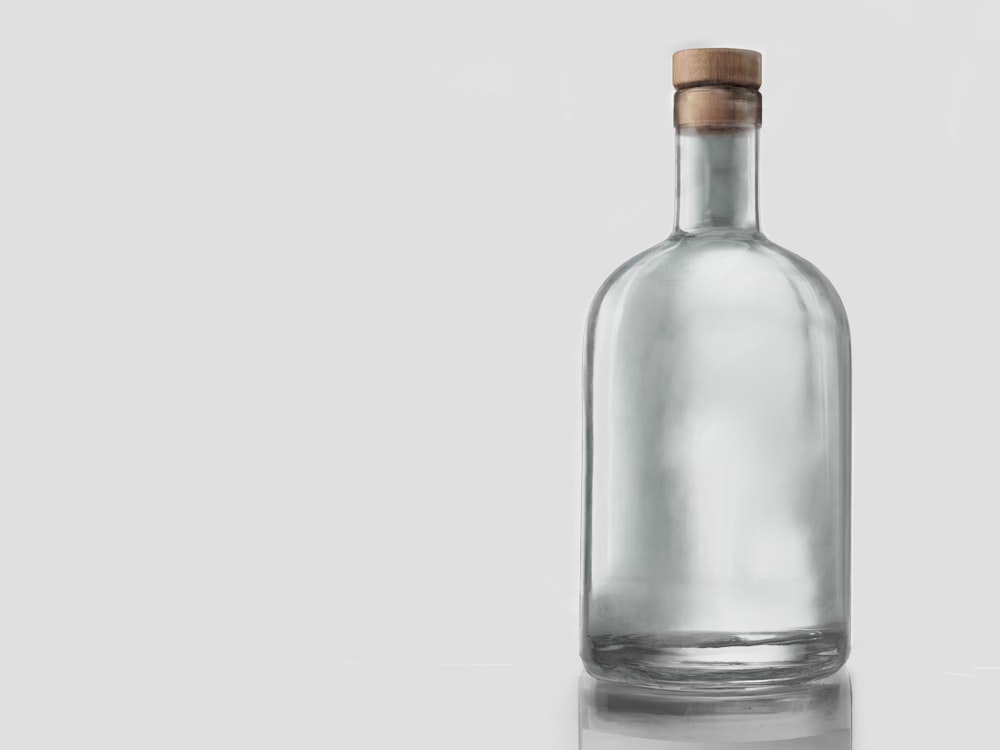
Your bottle can do more than carry a label. A distinctive silhouette makes the packaging part of your brand. MAIDAO GLASS develops custom glass bottles from a drawing, reference sample or sketch, with the closure and finish considered alongside the shape.
Start My Custom Bottle Project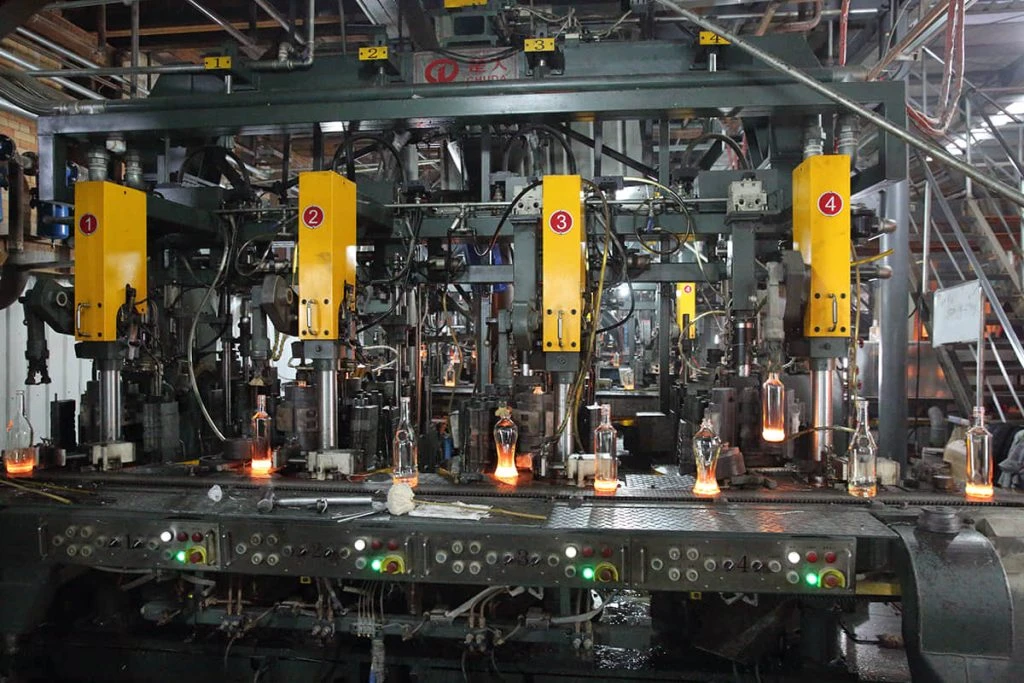
An existing bottle may already suit your capacity and closure. Decoration can give it your identity without developing a new glass shape.
Custom tooling becomes relevant when your silhouette, dimensions or functional requirements cannot fit an existing design. Your order quantity and intended glass grade are part of that decision.
| Your decision | Existing bottle design | New custom mould |
|---|---|---|
| What changes | Decoration, label, closure and pack configuration within the design limits | Bottle silhouette, dimensions and finish defined through development |
| First useful evidence | The selected glass sample and bottle/closure drawings | Production drawing, appearance model and actual glass samples |
| Tooling | Existing glass tooling; additional work priced if required | Separate prototype, sample-mould and production-tooling stages |
| Minimum order | Design- and category-specific; existing super-flint spirits baseline 6,000–12,000 pcs | Custom baseline 12,000 extra-flint/super flint or 50,000 standard flint pcs |
| Timing | Availability, production and decoration schedule | Development approvals plus production and finishing schedule |
| Best reason to choose | The shape already fits your brief | The shape or functional dimensions are central to your brief |
Your sketch or reference begins a technical discussion; it is not the final production specification. The drawing, prototype and glass sample answer different questions.
Capacity, overall dimensions, glass weight and neck finish turn your concept into a specification.
Acrylic shows the proposed form in your hand. It cannot stand in for a glass or filling test.
Actual glass allows the closure, appearance and agreed performance checks to use the intended material.
The agreed drawing, sample and inspection scope provide the reference for tooling and the run.
Our current custom-mould baseline starts at 12,000 pieces for extra-flint / super flint and 50,000 pieces for standard flint. These are custom-development baselines, not a universal minimum for every item.
Existing super-flint spirits designs have a separate 6,000–12,000 piece baseline. Other categories, decoration batches and closures require their own terms.
Our reference development figures are approximately US$500 for an acrylic prototype and US$1,200 for a sample mould. Production-mould references are about US$1,200–2,200 on a 700/750 ml (23.7/25.4 US fl oz) bottle basis.
These figures are planning references for that scope, not a fixed offer for every design. Shape complexity, tooling requirements and sample work determine your project quotation. Development and production timing need confirmation against the selected design and current schedule.
For your development plan, the acrylic-prototype reference is about 10 days, followed by about 35 days for a sample mould. Your written quotation confirms each stage and its approval requirements.
Your custom-production planning reference is 30–45 days after the required drawing, tooling and sample approvals. Prototype and sample-mould stages are separate; your agreed schedule confirms the actual dispatch date.
| Stage | What you receive | Planning reference | Approval decision |
|---|---|---|---|
| Design brief | Drawing and development scope | Project-specific quotation | Shape, capacity and neck finish |
| Acrylic prototype | Physical appearance model | ≈ US$500 | Form and handling; no glass-performance conclusion |
| Sample mould | Glass samples for the agreed review and decoration scope | ≈ US$1,200 | Glass, closure and finish checks |
| Production tooling | Tooling for the approved design | ≈ US$1,200–2,200 | Tooling scope and planned production run |
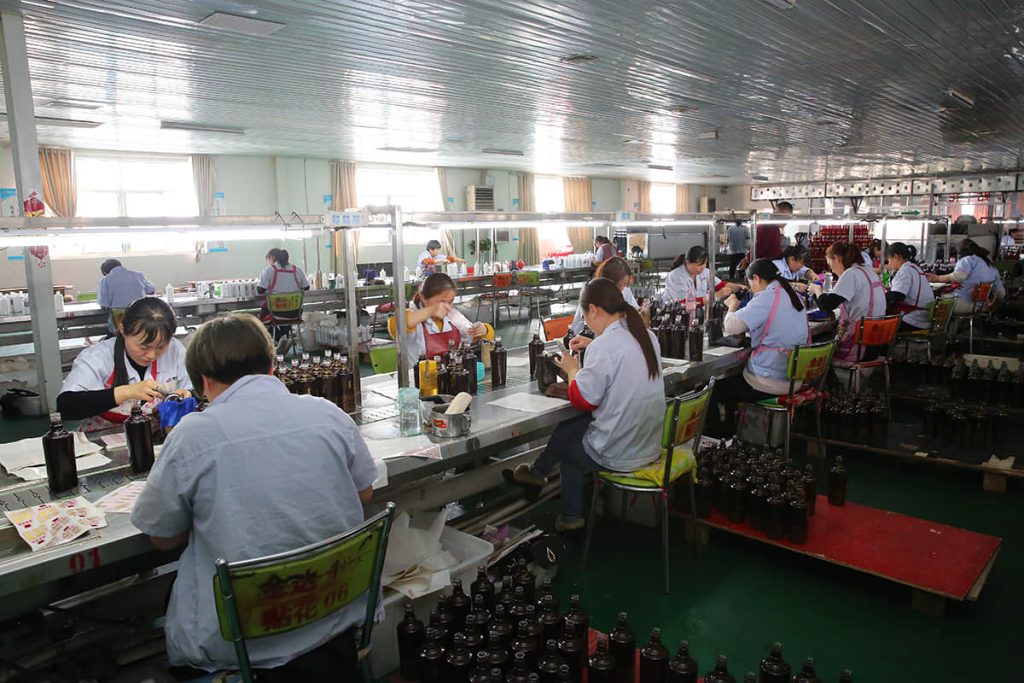
Your artwork, colour and finish can develop alongside the glass design. Screen printing, spraying, frosting, hot stamping, plating and labelling are available within our Shandong decoration operation.
A physical decorated sample gives you a clearer reference than artwork alone. The finish, closure and packing need review as a complete package.
The finish drawing, closure specification and a real package trial answer different questions. Mouth inspection alone does not validate your filled package.
Colour, placement and the glass surface need a physical reference. Approval should identify the exact finish and artwork revision.
The closure and finished bottle dimensions affect carton fit, dividers and loading. A change late in development can also change your packing cost.
Your bottle price becomes useful when the scope around it is clear. Tooling and sample work need their own lines in the project quotation.
| Quotation item | What to specify |
|---|---|
| Glass | Design reference, grade, colour, capacity and quantity |
| Development | Drawing scope, prototype, sample mould and production tooling |
| Finish & closure | Artwork revision, decoration, cap or stopper specification |
| Quality | Agreed checks, sample approval and document requirements |
| Packing & delivery | Carton/divider/pallet scope, destination and named EXW or FOB location |
| Schedule | Approval dependencies and current production/dispatch plan |
YOUR PURCHASING QUESTIONS
Not necessarily. An existing shape with decoration and a matching closure may suit your brand. A new mould is relevant when the shape or dimensions are part of your product brief.
Yes. An NDA is available on request. Confidentiality arrangements can be agreed before you share sensitive design material.
No. An acrylic prototype is for reviewing the form. Glass, closure and filling checks require appropriate glass samples and an agreed test scope.
No universal lead time applies to every design. Drawing changes, prototype work, sample moulds, decoration approval and the production schedule affect the project timing.
Your drawing or reference, capacity, closure and expected quantity give us the basis to discuss development and tooling.